
Problem Toolkit
Meeting Cadence & Priority Timelines
Problem review frequency and expected progress are driven by the assigned priority — a combination of business impact and urgency. Regular reviews keep investigations on track and ensure that critical issues are addressed without delay.
| Priority | Kickoff / First Meeting | Review Cadence | Target Closure |
|---|---|---|---|
| Critical | Within 1 week | Weekly | ~4 weeks |
| High | Within 1–2 weeks | Weekly | 4–6 weeks |
| Moderate | Within 2 weeks | Bi-weekly | 1–2 months |
| Low | Within 3 weeks | Monthly | 1–3 months |
| Planning / Backlog | Within 1 month | Monthly | 1–6 months |
Note: Meeting cadence is part of the process — not a suggestion. Consistent review drives visibility, accountability, and progress toward resolution.
Lifecycle States & What They Mean
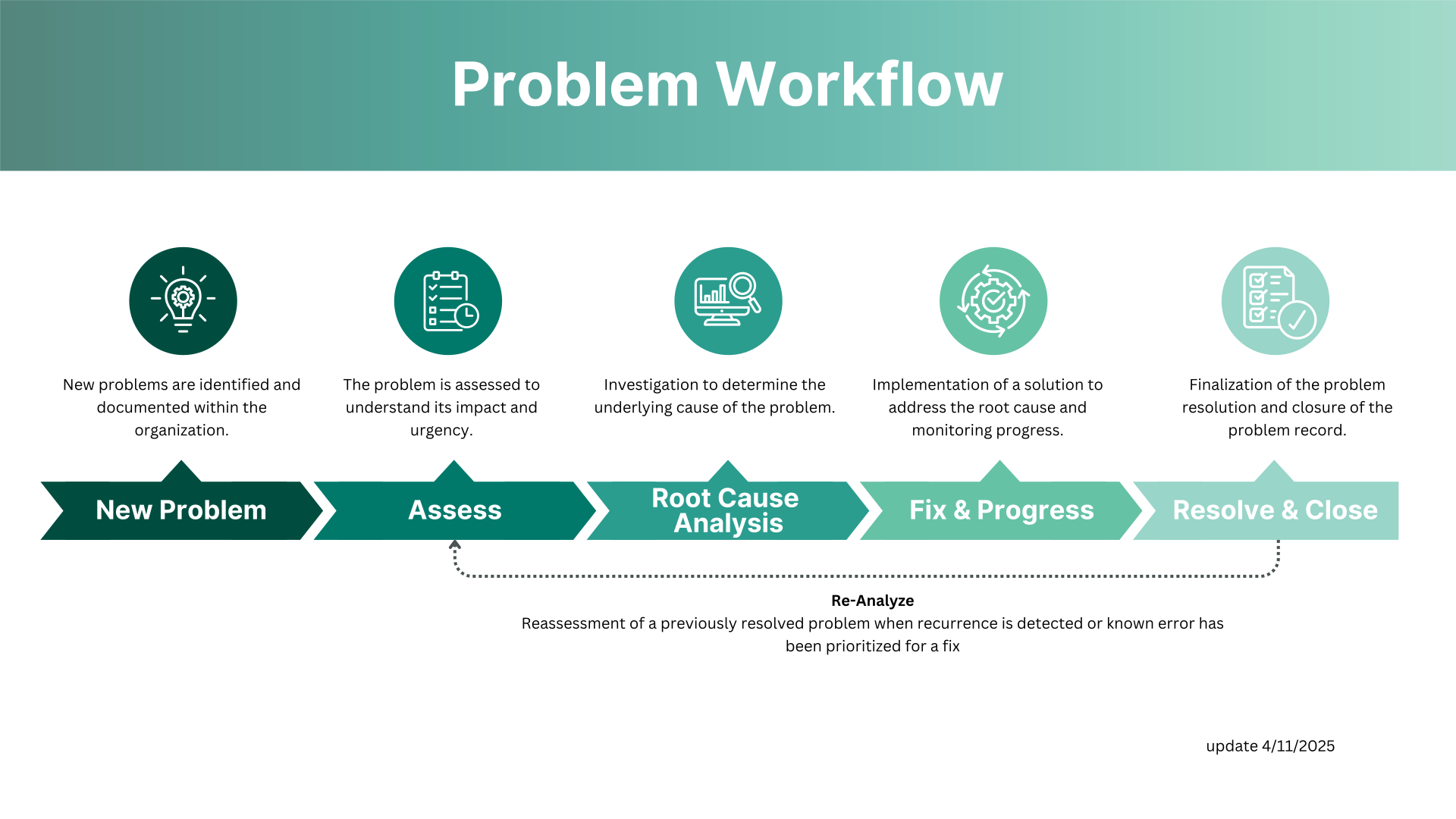
Problems move through defined lifecycle stages. Each state has clear expectations and deliverables to ensure problems are investigated, resolved, and documented effectively.
| State | Description | Key Actions |
|---|---|---|
| New | Problem has been identified and logged. | Validate problem criteria and schedule the first review. |
| Assess | Impact, urgency, and scope are evaluated. | Define initial tasks and create the RCA (Root Cause Analysis) plan. |
| Root Cause Analysis (RCA) | Investigation is underway to identify underlying causes. | Collaborate with SMEs, collect data, and document findings. |
| Fix in Progress | A permanent solution is being developed and implemented. | Create an RFC if needed and track implementation progress. |
| Resolved | The root cause has been addressed and validated. | Update documentation and confirm related incidents are resolved. |
| Closed | All documentation, links, and communication are complete. | Link related incidents and changes, finalize closure, and archive. |
Documentation & Communication Standards
Documentation is a critical part of Problem Management — it provides visibility, ensures traceability, and allows future teams to understand how issues were investigated and resolved.
Key expectations throughout the lifecycle:
- At Kickoff: Identify all stakeholders and confirm engagement.
- During RCA: Record investigation steps, data analysis, findings, and decisions directly in the problem record.
- Known Errors: Document a workaround and a “valid-to” date (no longer than one year).
- At Closure: Ensure the ticket includes the root cause, workaround, final resolution, and links to related incidents and changes.
- Inactivity: If three consecutive meetings are canceled with no progress, the problem may be closed.
Tip: Your documentation should allow any team member — now or in the future — to understand what happened, why it happened, and how it was resolved without needing additional context.